

Key Takeaways
- Myopia happens when the eye grows too long, causing light to focus in front of the retina instead of on it.
- Genetics, screen time, and limited outdoor time all play a role in childhood myopia.
- Myopia tends to progress with age, so early detection matters.
- Daily outdoor time and the 20-20-20 rule can help support healthier eye development.
- Specialty contact lenses and atropine eye drops help manage myopia progression.
Why Your Child’s Vision Deserves a Closer Look
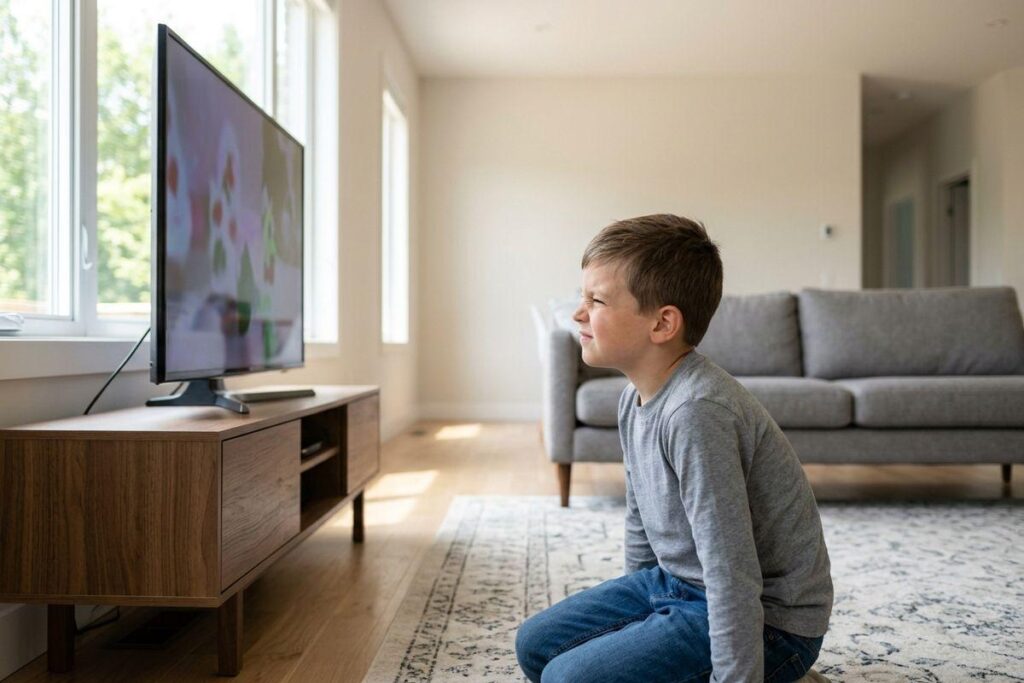
Your child squints at the board during class. They scoot closer to the TV without realizing it. Maybe they mention headaches after school, or you notice them rubbing their eyes more than usual. These small moments can be easy to brush off, but they often point to myopia.
Myopia, also called nearsightedness, happens when the eye grows too long from front to back, causing light to focus in front of the retina rather than directly on it. This makes distant objects look blurry. It’s one of the most common vision conditions in children, and catching it early gives you more options for managing it. Total Vision Golden Hills works with families to do exactly that.
How a Child’s Eye Develops Myopia
A healthy eye focuses light so that it lands directly on the retina at the back of the eye. However, when the eye grows too long, the focal point shifts forward, causing light to fall in front of the retina. The result is that nearby objects are clear, while distant objects look blurry.
Myopia is one of the most common refractive conditions in children worldwide, and its prevalence continues to rise.
The Main Factors Behind Childhood Myopia
Genetics and Family History
If you or your partner are nearsighted, your child has a higher chance of developing myopia too. When both parents have it, that risk goes up further. However, genetics don’t just affect whether myopia develops; they can also shape how early it starts. That’s one reason routine eye exams matter even when your child hasn’t complained about their vision.
Screen Time & Near-Work Habits
Spending long stretches of time looking at something close-up, whether it’s a tablet, a book, or a phone, keeps the eyes locked in a constant state of near focus. Over time, that kind of extended close-up work can contribute to myopia progression. It’s not that screens are inherently harmful, but that the duration of use and lack of breaks add up.
Not Enough Time Outdoors
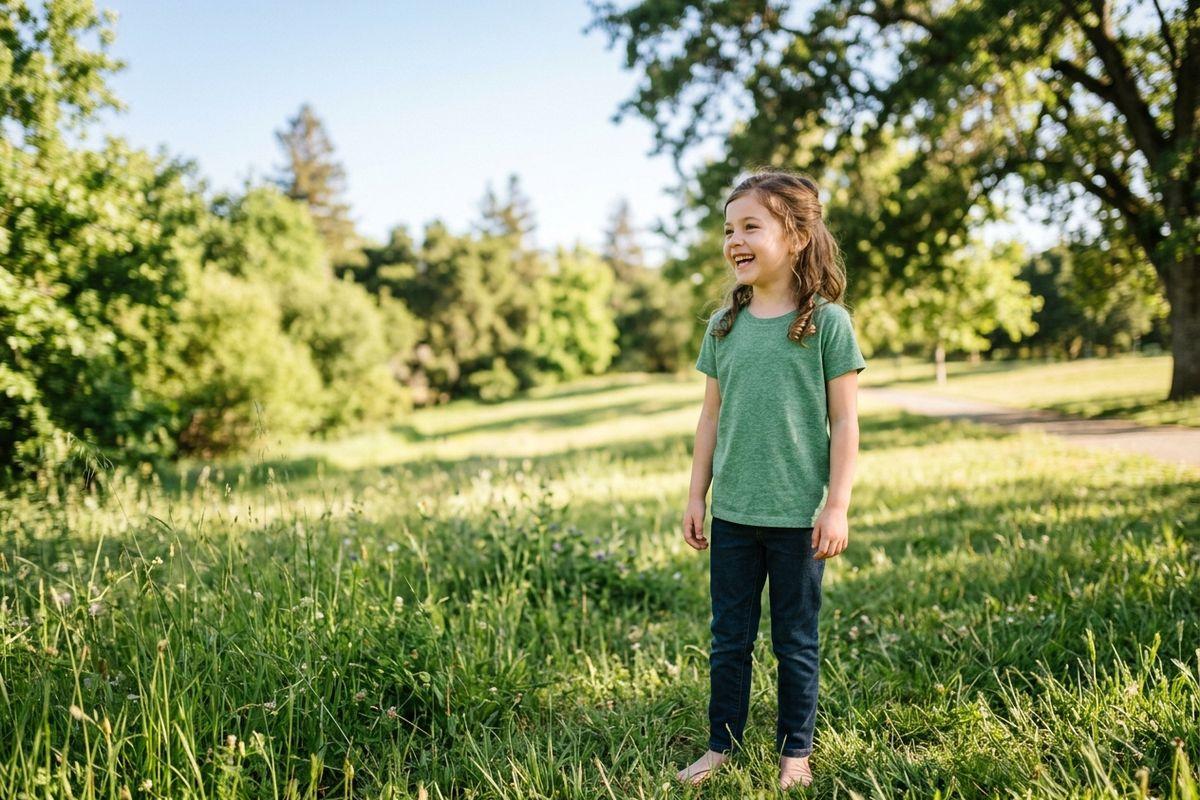
Natural light plays a role in healthy eye development. Research suggests that around 2 hours of outdoor time each day can help reduce the risk of myopia developing or worsening.
Signs Your Child Might Be Nearsighted
Children don’t always have the experience to know that something’s off with their vision. That’s why, rather than waiting for them to complain that something’s wrong, it’s often better to keep an eye out for possible signs of nearsightedness. Look for:
- Squinting to see distant objects or the board at school.
- Sitting too close to the TV or holding a screen very close to their face.
- Rubbing their eyes frequently or complaining about eye discomfort.
At What Age Does Myopia Usually Start?
Can a Child Outgrow Myopia?
Myopia tends to progress during childhood and the teenage years. It doesn’t generally get better. However, the condition usually stabilizes in early adulthood, once the eyes have finished growing.
Early detection of myopia gives us more time to slow its progression, allowing children to enter adulthood with better vision than they’d otherwise have.
How to Support Your Child’s Eye Health
Myopia Management Options
There are tools available to help slow the progression of myopia. As your eye doctor in San Jose, we can talk you through what makes sense for your child’s age, prescription, and lifestyle. Some of the more common options include:
- Specialty contact lenses designed to help slow eye growth over time.
- Atropine eye drops, which help reduce progression.
- A personalized plan built around your child’s needs and how their vision is changing.
The goal isn’t just clearer vision today. It’s giving your child a stronger foundation for their eye health as they grow.
Take the Next Step with Total Vision Golden Hills
If your child is squinting, sitting close to screens, or hasn’t had an eye exam in a while, now is a good time to schedule an eye exam. Our team at Total Vision Golden Hills works with families to catch myopia early and put a plan in place that fits your child’s life.
Reach out today to book a comprehensive eye exam and get a clearer picture of where your child’s vision stands.